

Open Concept Kitchens: Pros, Cons, and Creative Design Ideas
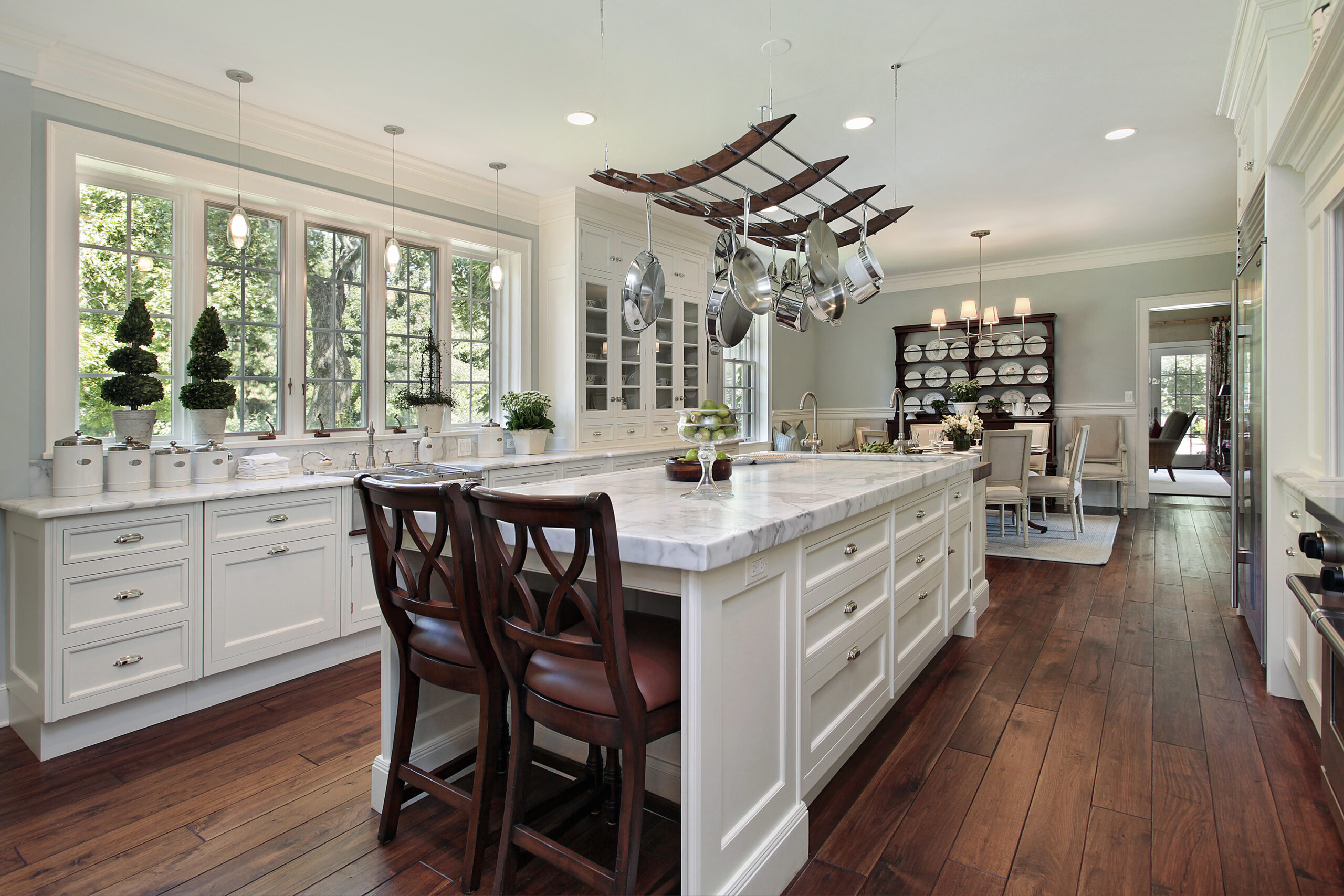
Open concept kitchens have become a favorite feature in modern homes – and for good reason. They create a bright, social space where cooking, dining, and living all blend together. But while the open layout offers many benefits, it’s not the perfect fit for every lifestyle.
What Is an Open Concept Kitchen?
An open concept kitchen removes the traditional barriers between the kitchen, dining, and living areas. Instead of walls, these spaces flow into one another, creating a connected, airy environment.
This design approach became popular in mid-century homes and has remained a top remodeling request ever since. The goal? To make the kitchen the true heart of the home where people can cook, entertain, and connect all at once.
The Pros of an Open Concept Kitchen
- Better Flow and Functionality: Without walls, traffic moves more smoothly. Whether you’re hosting guests or moving between prep and dining zones, an open layout allows for effortless flow.
- More Natural Light: Open spaces let light from multiple windows fill the entire room, making your home feel brighter and more welcoming.
- Perfect for Entertaining: You can cook while chatting with family or guests – no more feeling isolated while preparing a meal.
- Family-Friendly Design: Parents love open kitchens for the visibility they provide. You can keep an eye on kids in the living room while cooking or cleaning up.
- Spacious Feel: Even smaller homes feel bigger when visual barriers are removed. The open view naturally creates a sense of space and calm.
The Cons of an Open Concept Kitchen
- Noise Travels: The sound of blenders, dishwashers, or TVs can easily fill the entire area, making it harder to find quiet moments.
- Less Privacy: Open kitchens put everything on display—meaning clutter, dishes, and messes are visible from nearly every angle.
- Temperature Control: Large, open areas can be more difficult to heat or cool evenly, especially in older homes.
- Design Consistency Matters: With no walls to define separate spaces, your kitchen design must flow seamlessly with adjoining rooms in color, finish, and décor.
- Reduced Storage Space: Fewer walls can mean fewer upper cabinets, so smart storage solutions are essential.
Creative Design Ideas for Open Concept Kitchens
If you love the idea of an open layout but want to make it both beautiful and practical, here are some creative ways to make it work:
- Define Zones Without Walls: Use rugs, lighting, or furniture arrangement to distinguish cooking, dining, and lounging areas.
- Add a Statement Island: An island anchors the kitchen while providing extra seating, prep space, and style.
- Play With Lighting: Layered lighting—pendants, recessed lights, and under-cabinet fixtures—helps create balance and warmth.
- Blend Materials & Colors: Use cohesive tones throughout, but mix textures (like wood and stone) for visual interest.
- Consider Partial Walls or Glass Partitions: They create subtle division while maintaining brightness and openness.
- Maximize Hidden Storage: Built-in benches, deep drawers, and corner pull-outs keep clutter out of sight.
–
Open concept kitchens can transform your home into a bright, connected, and inviting space but they’re not one-size-fits-all. Whether you crave a fully open layout or a more defined design, the right approach depends on your lifestyle and the way you use your kitchen.
If you’re unsure, schedule a free consultation can help you weigh the options and explore creative alternatives like semi-open layouts that balance openness with function. Also make sure to check out our blog discussing, “The Pros and Cons of Open Shelving vs. Closed Cabinets.”
Back